
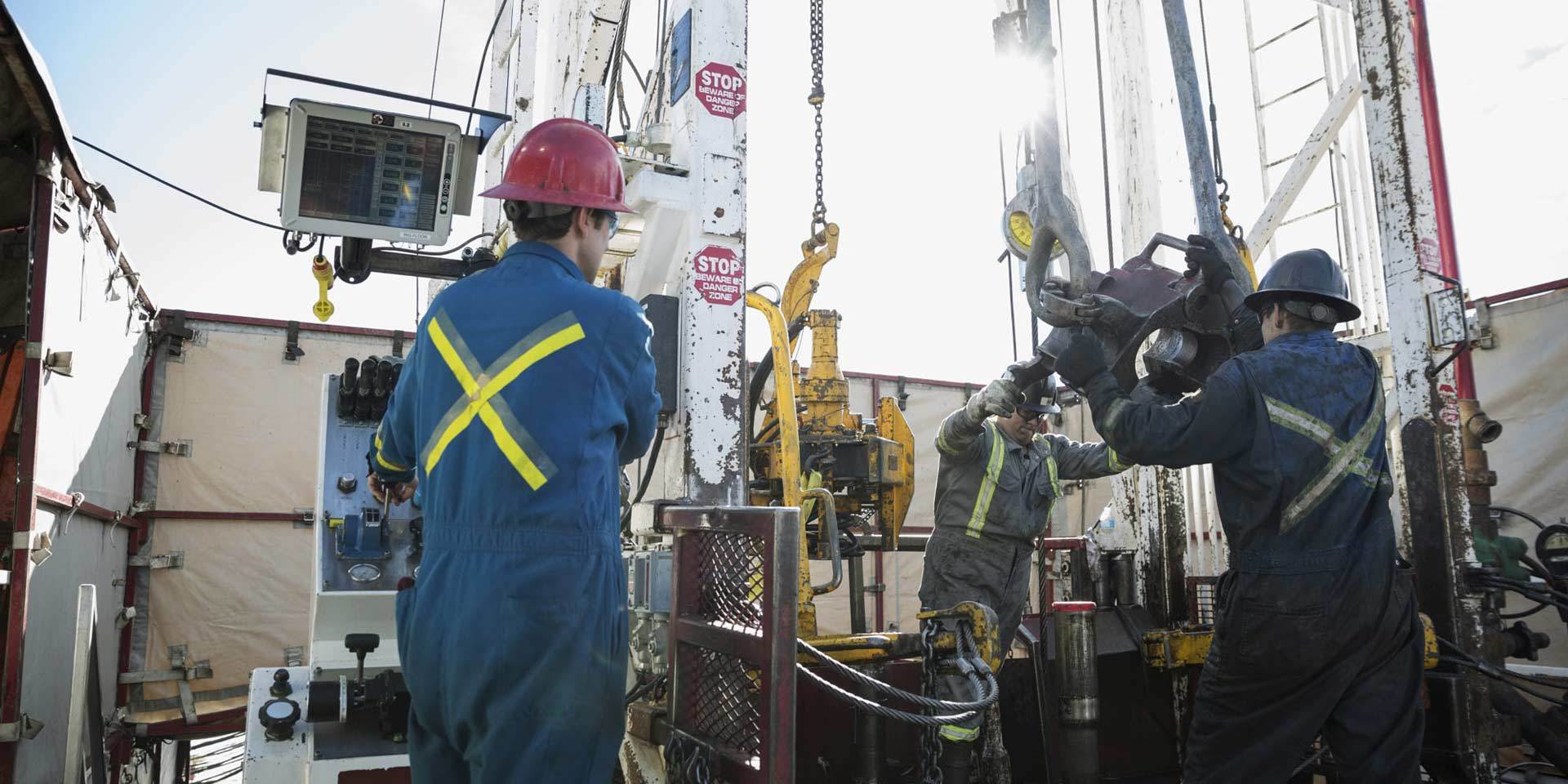
Boost Your Drilling Efficiency with Downhole Motors
Classification:
Release time:
2023/09/07
【Summary Description】 Discover how downhole motors can revolutionize your drilling operations and improve efficiency. This comprehensive guide explores the benefits, applications, and key considerations of using downhole m
Table of Contents:
1. Introduction: Understanding the Significance of Downhole Motors
2. How Downhole Motors Work: A Detailed Overview
3. Advantages of Downhole Motors in Drilling Operations
4. Applications of Downhole Motors in the Oil and Gas Industry
5. Key Considerations when Implementing Downhole Motors
6. Common FAQs about Downhole Motors
7. Conclusion: Enhancing Efficiency with Downhole Motors
1. Introduction: Understanding the Significance of Downhole Motors
In the fast-paced world of drilling operations, minimizing downtime and maximizing efficiency are crucial for success. Downhole motors have emerged as a game-changer, enabling drilling professionals to achieve higher drilling rates and improved overall performance. This article explores the benefits and applications of downhole motors, as well as the key considerations when implementing this technology.
2. How Downhole Motors Work: A Detailed Overview
Downhole motors are powerful tools that convert hydraulic power into mechanical rotation, allowing drilling operations to be carried out more efficiently. These motors are typically placed near the drill bit, driving it directly and eliminating the need for the entire drill string to rotate. This mechanism enhances drilling efficiency by reducing mechanical stress and improving control over the drilling process.
3. Advantages of Downhole Motors in Drilling Operations
3.1 Increased Drilling Speed
By eliminating the need for the entire drill string to rotate, downhole motors enable faster drilling speeds. The continuous rotation of the drill bit facilitated by these motors greatly enhances the drilling process, resulting in significant time savings.
3.2 Enhanced Drilling Control
Downhole motors provide drilling professionals with improved control over the drilling process. With the ability to adjust the speed and direction of the drill bit rotation, operators can optimize drilling parameters to match specific formation characteristics, resulting in more precise drilling and reduced drilling-related challenges.
3.3 Extended Bit Life
The efficient power transmission of downhole motors reduces the wear and tear on drill bits, resulting in extended bit life. This not only reduces the frequency of bit changes but also minimizes downtime associated with bit replacements, leading to enhanced drilling efficiency.
3.4 Increased Drilling Efficiency in Challenging Environments
Downhole motors are particularly beneficial in challenging drilling environments, such as hard rock formations or deviated wellbores. The high torque output and improved control offered by these motors enable efficient drilling in these difficult conditions, ensuring smooth operations and minimizing costly delays.
4. Applications of Downhole Motors in the Oil and Gas Industry
4.1 Directional Drilling
Downhole motors play a crucial role in directional drilling, enabling operators to drill non-vertical wells with precision. The ability to control the angle and direction of the drill bit rotation allows for the creation of complex well trajectories, maximizing reservoir contact and optimizing production.
4.2 Extended Reach Drilling
In extended reach drilling, where wells are drilled horizontally or at extreme angles, downhole motors provide the necessary power and control to navigate challenging well paths. These motors enable efficient drilling over extended distances, improving wellbore access and reservoir productivity.
4.3 Wellbore Cleaning and Reaming
Downhole motors equipped with appropriate cleaning and reaming tools are utilized for efficient wellbore cleaning operations. The continuous rotation of the drilling assembly, combined with the mechanical action of the cleaning tools, ensures effective removal of debris and obstructions, enhancing overall wellbore integrity.
5. Key Considerations when Implementing Downhole Motors
5.1 Motor Selection
Choosing the right downhole motor for specific drilling operations is crucial. Factors such as motor type, power rating, torque output, and compatibility with drilling fluids must be carefully evaluated to ensure optimal performance and minimize operational risks.
5.2 Maintenance and Support
Effective maintenance and ongoing support are essential for maximizing the lifespan and performance of downhole motors. Regular inspections, cleaning, and timely repairs are necessary to prevent unexpected failures and ensure uninterrupted drilling operations.
5.3 Training and Familiarization
Proper training and familiarization with downhole motor operation and maintenance are vital for operators and maintenance personnel. Comprehensive training programs should be conducted to equip the workforce with the necessary skills and knowledge to utilize this technology effectively.
6. Common FAQs about Downhole Motors
Q1: Are downhole motors suitable for all drilling operations?
Q2: Can downhole motors be used in both vertical and horizontal wells?
Q3: How do downhole motors improve drilling efficiency?
Q4: What are the typical maintenance requirements for downhole motors?
Q5: Are there any specific considerations when using downhole motors in high-pressure environments?
7. Conclusion: Enhancing Efficiency with Downhole Motors
In summary, downhole motors have revolutionized drilling operations in the oil and gas industry, offering numerous advantages and applications. By increasing drilling speed, enhancing control, extending bit life, and enabling efficient drilling in challenging environments, these motors significantly improve overall drilling efficiency. Implementing downhole motors requires careful consideration of motor selection, maintenance practices, and training requirements. By harnessing the power of downhole motors, drilling professionals can boost their efficiency, reduce costs, and stay ahead of the competition in today's demanding market.
1. Introduction: Understanding the Significance of Downhole Motors
2. How Downhole Motors Work: A Detailed Overview
3. Advantages of Downhole Motors in Drilling Operations
4. Applications of Downhole Motors in the Oil and Gas Industry
5. Key Considerations when Implementing Downhole Motors
6. Common FAQs about Downhole Motors
7. Conclusion: Enhancing Efficiency with Downhole Motors
1. Introduction: Understanding the Significance of Downhole Motors
In the fast-paced world of drilling operations, minimizing downtime and maximizing efficiency are crucial for success. Downhole motors have emerged as a game-changer, enabling drilling professionals to achieve higher drilling rates and improved overall performance. This article explores the benefits and applications of downhole motors, as well as the key considerations when implementing this technology.
2. How Downhole Motors Work: A Detailed Overview
Downhole motors are powerful tools that convert hydraulic power into mechanical rotation, allowing drilling operations to be carried out more efficiently. These motors are typically placed near the drill bit, driving it directly and eliminating the need for the entire drill string to rotate. This mechanism enhances drilling efficiency by reducing mechanical stress and improving control over the drilling process.
3. Advantages of Downhole Motors in Drilling Operations
3.1 Increased Drilling Speed
By eliminating the need for the entire drill string to rotate, downhole motors enable faster drilling speeds. The continuous rotation of the drill bit facilitated by these motors greatly enhances the drilling process, resulting in significant time savings.
3.2 Enhanced Drilling Control
Downhole motors provide drilling professionals with improved control over the drilling process. With the ability to adjust the speed and direction of the drill bit rotation, operators can optimize drilling parameters to match specific formation characteristics, resulting in more precise drilling and reduced drilling-related challenges.
3.3 Extended Bit Life
The efficient power transmission of downhole motors reduces the wear and tear on drill bits, resulting in extended bit life. This not only reduces the frequency of bit changes but also minimizes downtime associated with bit replacements, leading to enhanced drilling efficiency.
3.4 Increased Drilling Efficiency in Challenging Environments
Downhole motors are particularly beneficial in challenging drilling environments, such as hard rock formations or deviated wellbores. The high torque output and improved control offered by these motors enable efficient drilling in these difficult conditions, ensuring smooth operations and minimizing costly delays.
4. Applications of Downhole Motors in the Oil and Gas Industry
4.1 Directional Drilling
Downhole motors play a crucial role in directional drilling, enabling operators to drill non-vertical wells with precision. The ability to control the angle and direction of the drill bit rotation allows for the creation of complex well trajectories, maximizing reservoir contact and optimizing production.
4.2 Extended Reach Drilling
In extended reach drilling, where wells are drilled horizontally or at extreme angles, downhole motors provide the necessary power and control to navigate challenging well paths. These motors enable efficient drilling over extended distances, improving wellbore access and reservoir productivity.
4.3 Wellbore Cleaning and Reaming
Downhole motors equipped with appropriate cleaning and reaming tools are utilized for efficient wellbore cleaning operations. The continuous rotation of the drilling assembly, combined with the mechanical action of the cleaning tools, ensures effective removal of debris and obstructions, enhancing overall wellbore integrity.
5. Key Considerations when Implementing Downhole Motors
5.1 Motor Selection
Choosing the right downhole motor for specific drilling operations is crucial. Factors such as motor type, power rating, torque output, and compatibility with drilling fluids must be carefully evaluated to ensure optimal performance and minimize operational risks.
5.2 Maintenance and Support
Effective maintenance and ongoing support are essential for maximizing the lifespan and performance of downhole motors. Regular inspections, cleaning, and timely repairs are necessary to prevent unexpected failures and ensure uninterrupted drilling operations.
5.3 Training and Familiarization
Proper training and familiarization with downhole motor operation and maintenance are vital for operators and maintenance personnel. Comprehensive training programs should be conducted to equip the workforce with the necessary skills and knowledge to utilize this technology effectively.
6. Common FAQs about Downhole Motors
Q1: Are downhole motors suitable for all drilling operations?
Q2: Can downhole motors be used in both vertical and horizontal wells?
Q3: How do downhole motors improve drilling efficiency?
Q4: What are the typical maintenance requirements for downhole motors?
Q5: Are there any specific considerations when using downhole motors in high-pressure environments?
7. Conclusion: Enhancing Efficiency with Downhole Motors
In summary, downhole motors have revolutionized drilling operations in the oil and gas industry, offering numerous advantages and applications. By increasing drilling speed, enhancing control, extending bit life, and enabling efficient drilling in challenging environments, these motors significantly improve overall drilling efficiency. Implementing downhole motors requires careful consideration of motor selection, maintenance practices, and training requirements. By harnessing the power of downhole motors, drilling professionals can boost their efficiency, reduce costs, and stay ahead of the competition in today's demanding market.
Key words:
Related News