
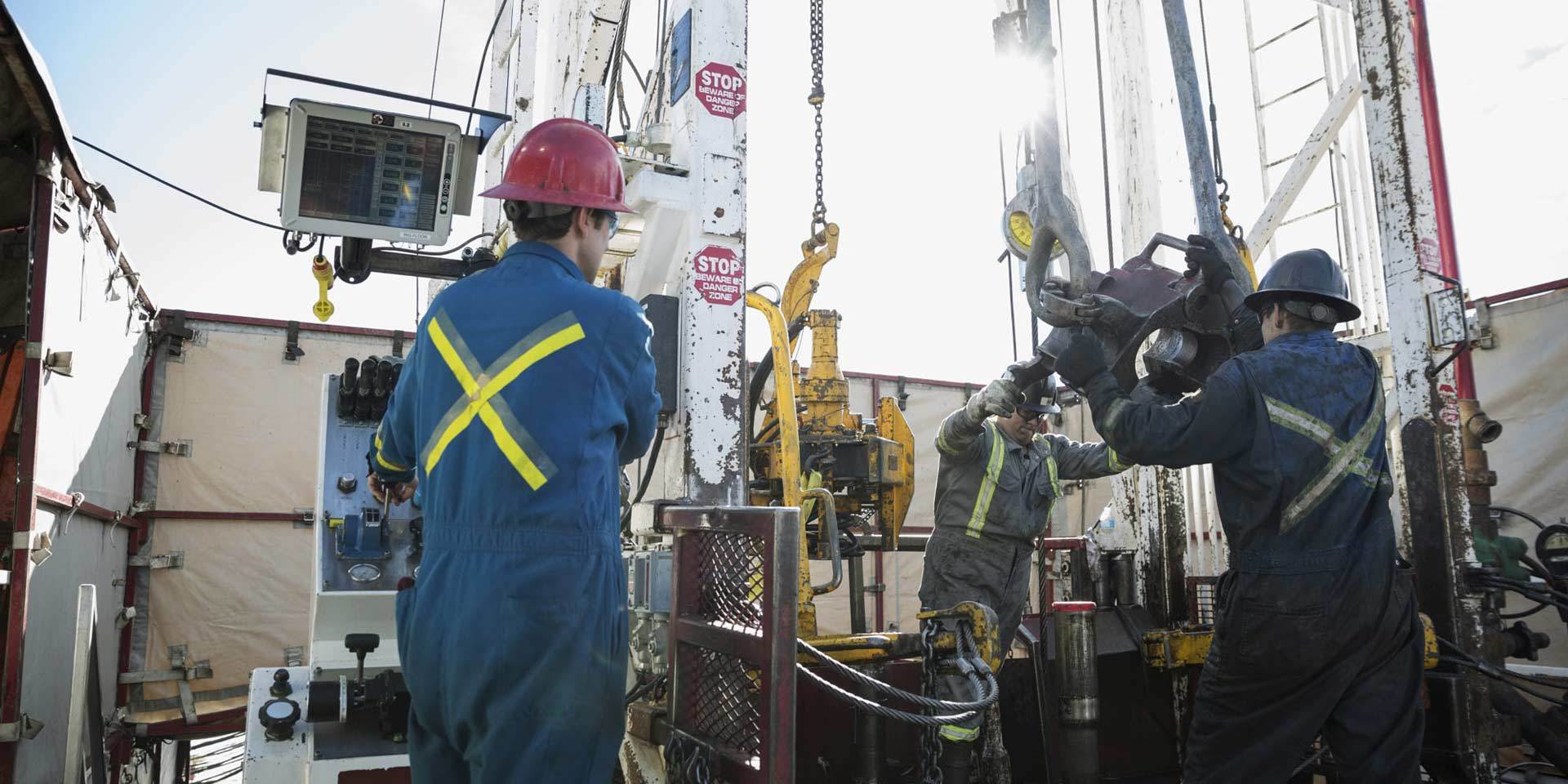
Downhole Motor: A Vital Component in the Oil and Gas Industry
Classification:
Release time:
2023/09/06
【Summary Description】 Explore the significance and working principles of downhole motors in the manufacturing and processing machinery sector, specifically within the realm of oil and gas equipment.
Introduction:
Downhole motor, an essential equipment in the oil and gas industry, plays a crucial role in drilling operations. As a key component of downhole machinery, it facilitates the extraction of valuable resources from beneath the Earth's surface. In this article, we will delve into the functions, working principles, and applications of downhole motors, shedding light on their importance in the manufacturing and processing machinery sector, particularly within the domain of oil and gas equipment.
1. What is a Downhole Motor?
A downhole motor is a mechanical device used in drilling operations to provide power and torque to the drill bit. It is designed to convert hydraulic or pneumatic energy from drilling mud flow into mechanical rotation, thereby enabling effective drilling in challenging environments. This technology has revolutionized the oil and gas industry by enhancing drilling efficiency and reducing operational costs.
2. How does a Downhole Motor Work?
The downhole motor consists of several key components, including a power section, a bend housing, and a bearing assembly. The power section comprises a series of lobes, which are driven by the drilling fluid flow. As the drilling mud flows through the motor, it creates pressure differentials across the lobes, causing them to rotate. This rotation is then transferred to the drill bit, enabling the drilling process.
3. Advantages of Downhole Motors:
- Enhanced drilling performance: Downhole motors provide high rotational speeds, allowing efficient drilling in various formations, including hard rock and directional drilling applications.
- Increased control: These motors offer precise control over the drilling process, enabling operators to navigate complex well trajectories and optimize drilling parameters.
- Reduced drilling time: By minimizing the number of trips required to change the drill bit, downhole motors help reduce non-productive time, resulting in cost savings for oil and gas companies.
- Improved wellbore quality: The continuous rotation of the drill bit powered by the downhole motor ensures a more stable wellbore, reducing the risk of hole deviation and enhancing overall well integrity.
4. Applications of Downhole Motors:
Downhole motors find extensive usage in the oil and gas industry, particularly in drilling operations. They are employed in various applications, such as:
- Directional drilling: Downhole motors allow drilling at controlled angles, enabling the extraction of oil and gas from multiple reservoirs beneath the surface.
- Horizontal drilling: These motors play a vital role in horizontal drilling, which enhances the contact area with the reservoir, resulting in improved production rates.
- Geothermal drilling: Downhole motors facilitate geothermal drilling, enabling the extraction of heat from the Earth's interior for renewable energy generation.
Conclusion:
Downhole motors are indispensable tools in the manufacturing and processing machinery sector, specifically within the domain of oil and gas equipment. Their ability to provide power and torque to the drill bit, along with precise control and enhanced drilling performance, makes them crucial for efficient drilling operations. By understanding the functions and applications of downhole motors, we gain valuable insights into the advancements that drive the oil and gas industry forward.
Downhole motor, an essential equipment in the oil and gas industry, plays a crucial role in drilling operations. As a key component of downhole machinery, it facilitates the extraction of valuable resources from beneath the Earth's surface. In this article, we will delve into the functions, working principles, and applications of downhole motors, shedding light on their importance in the manufacturing and processing machinery sector, particularly within the domain of oil and gas equipment.
1. What is a Downhole Motor?
A downhole motor is a mechanical device used in drilling operations to provide power and torque to the drill bit. It is designed to convert hydraulic or pneumatic energy from drilling mud flow into mechanical rotation, thereby enabling effective drilling in challenging environments. This technology has revolutionized the oil and gas industry by enhancing drilling efficiency and reducing operational costs.
2. How does a Downhole Motor Work?
The downhole motor consists of several key components, including a power section, a bend housing, and a bearing assembly. The power section comprises a series of lobes, which are driven by the drilling fluid flow. As the drilling mud flows through the motor, it creates pressure differentials across the lobes, causing them to rotate. This rotation is then transferred to the drill bit, enabling the drilling process.
3. Advantages of Downhole Motors:
- Enhanced drilling performance: Downhole motors provide high rotational speeds, allowing efficient drilling in various formations, including hard rock and directional drilling applications.
- Increased control: These motors offer precise control over the drilling process, enabling operators to navigate complex well trajectories and optimize drilling parameters.
- Reduced drilling time: By minimizing the number of trips required to change the drill bit, downhole motors help reduce non-productive time, resulting in cost savings for oil and gas companies.
- Improved wellbore quality: The continuous rotation of the drill bit powered by the downhole motor ensures a more stable wellbore, reducing the risk of hole deviation and enhancing overall well integrity.
4. Applications of Downhole Motors:
Downhole motors find extensive usage in the oil and gas industry, particularly in drilling operations. They are employed in various applications, such as:
- Directional drilling: Downhole motors allow drilling at controlled angles, enabling the extraction of oil and gas from multiple reservoirs beneath the surface.
- Horizontal drilling: These motors play a vital role in horizontal drilling, which enhances the contact area with the reservoir, resulting in improved production rates.
- Geothermal drilling: Downhole motors facilitate geothermal drilling, enabling the extraction of heat from the Earth's interior for renewable energy generation.
Conclusion:
Downhole motors are indispensable tools in the manufacturing and processing machinery sector, specifically within the domain of oil and gas equipment. Their ability to provide power and torque to the drill bit, along with precise control and enhanced drilling performance, makes them crucial for efficient drilling operations. By understanding the functions and applications of downhole motors, we gain valuable insights into the advancements that drive the oil and gas industry forward.
Key words:
Related News