
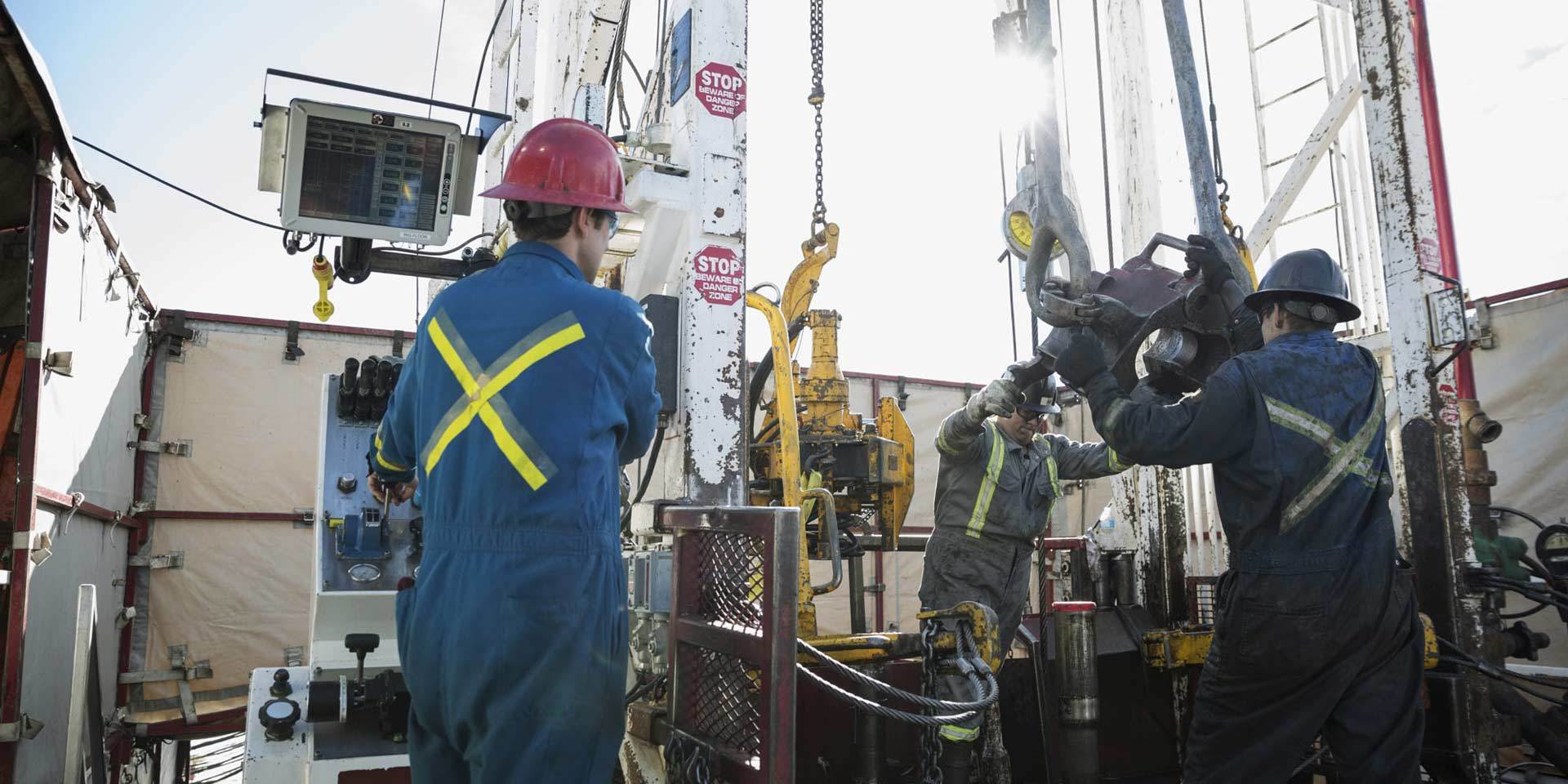
Drill Stabilizer: An Essential Tool in the Oil Drilling Industry
Classification:
Release time:
2023/08/31
【Summary Description】 Discover the importance and functionalities of drill stabilizers in the manufacturing and processing machinery sector of the oil drilling industry.
Introduction:
In the realm of oil drilling machinery, various tools and equipment play crucial roles in ensuring smooth and efficient drilling operations. One such essential tool is the drill stabilizer. This article will delve into the significance of drill stabilizers, their functionalities, and their importance within the manufacturing and processing machinery sector of the oil drilling industry.
1. What is a Drill Stabilizer?
A drill stabilizer, also known as a drilling stabilizer, is a specialized tool used in oil drilling operations. It is typically attached to a drill string to provide stability and control during drilling processes. The drill stabilizer consists of a cylindrical body with blades or fins attached to its exterior.
2. Importance of Drill Stabilizers:
Drill stabilizers serve multiple crucial functions in the oil drilling industry:
- Enhancing Stability: The primary purpose of a drill stabilizer is to stabilize the drill string and mitigate vibrations that occur during drilling. This stability ensures accurate and precise drilling, reducing the risk of deviation from the planned path.
- Preventing Drill String Whipping: Drill stabilizers help prevent the whipping effect that can occur when drilling through challenging formations. By reducing the lateral movements of the drill string, stabilizers prevent damage to both the equipment and the wellbore.
- Minimizing Drill Collisions: In directional drilling, where multiple wells share the same drilling pad, drill stabilizers aid in minimizing collisions between the drill string and the well casing or other nearby wells. This reduces costly damages and improves drilling efficiency.
3. Types of Drill Stabilizers:
There are different types of drill stabilizers available for various drilling conditions and requirements:
- Integral Blade Stabilizers (IBS): IBS features blades that are an integral part of the drill stabilizer body. They are highly durable and suitable for challenging drilling environments.
- Non-Magnetic Stabilizers: These stabilizers are made from non-magnetic materials, allowing their usage in drilling operations that involve magnetic surveys or equipment.
- Sleeve Stabilizers: Sleeve stabilizers have movable blades that can be adjusted to different diameters, providing flexibility during drilling operations.
4. Drill Stabilizer Applications:
Drill stabilizers find extensive applications in the oil drilling industry, including:
- Vertical and Directional Drilling: Stabilizers aid in maintaining trajectory control and minimizing deviations during drilling vertical and directional wells.
- Extended Reach Drilling (ERD): ERD wells, which involve drilling long horizontal sections, require the use of stabilizers to control vibrations and maintain stability.
- Wellbore Enlargement: In some cases, stabilizers are used to enlarge the wellbore diameter while drilling, allowing for the installation of casing strings with larger diameters.
Conclusion:
Drill stabilizers are indispensable tools in the manufacturing and processing machinery sector of the oil drilling industry. Their ability to enhance stability, prevent drill string whipping, and minimize collisions contributes to the efficiency and safety of drilling operations. By understanding the significance and functionalities of drill stabilizers, professionals in the industry can make informed decisions regarding their implementation, ultimately leading to improved drilling performance.
In the realm of oil drilling machinery, various tools and equipment play crucial roles in ensuring smooth and efficient drilling operations. One such essential tool is the drill stabilizer. This article will delve into the significance of drill stabilizers, their functionalities, and their importance within the manufacturing and processing machinery sector of the oil drilling industry.
1. What is a Drill Stabilizer?
A drill stabilizer, also known as a drilling stabilizer, is a specialized tool used in oil drilling operations. It is typically attached to a drill string to provide stability and control during drilling processes. The drill stabilizer consists of a cylindrical body with blades or fins attached to its exterior.
2. Importance of Drill Stabilizers:
Drill stabilizers serve multiple crucial functions in the oil drilling industry:
- Enhancing Stability: The primary purpose of a drill stabilizer is to stabilize the drill string and mitigate vibrations that occur during drilling. This stability ensures accurate and precise drilling, reducing the risk of deviation from the planned path.
- Preventing Drill String Whipping: Drill stabilizers help prevent the whipping effect that can occur when drilling through challenging formations. By reducing the lateral movements of the drill string, stabilizers prevent damage to both the equipment and the wellbore.
- Minimizing Drill Collisions: In directional drilling, where multiple wells share the same drilling pad, drill stabilizers aid in minimizing collisions between the drill string and the well casing or other nearby wells. This reduces costly damages and improves drilling efficiency.
3. Types of Drill Stabilizers:
There are different types of drill stabilizers available for various drilling conditions and requirements:
- Integral Blade Stabilizers (IBS): IBS features blades that are an integral part of the drill stabilizer body. They are highly durable and suitable for challenging drilling environments.
- Non-Magnetic Stabilizers: These stabilizers are made from non-magnetic materials, allowing their usage in drilling operations that involve magnetic surveys or equipment.
- Sleeve Stabilizers: Sleeve stabilizers have movable blades that can be adjusted to different diameters, providing flexibility during drilling operations.
4. Drill Stabilizer Applications:
Drill stabilizers find extensive applications in the oil drilling industry, including:
- Vertical and Directional Drilling: Stabilizers aid in maintaining trajectory control and minimizing deviations during drilling vertical and directional wells.
- Extended Reach Drilling (ERD): ERD wells, which involve drilling long horizontal sections, require the use of stabilizers to control vibrations and maintain stability.
- Wellbore Enlargement: In some cases, stabilizers are used to enlarge the wellbore diameter while drilling, allowing for the installation of casing strings with larger diameters.
Conclusion:
Drill stabilizers are indispensable tools in the manufacturing and processing machinery sector of the oil drilling industry. Their ability to enhance stability, prevent drill string whipping, and minimize collisions contributes to the efficiency and safety of drilling operations. By understanding the significance and functionalities of drill stabilizers, professionals in the industry can make informed decisions regarding their implementation, ultimately leading to improved drilling performance.
Key words:
Related News