
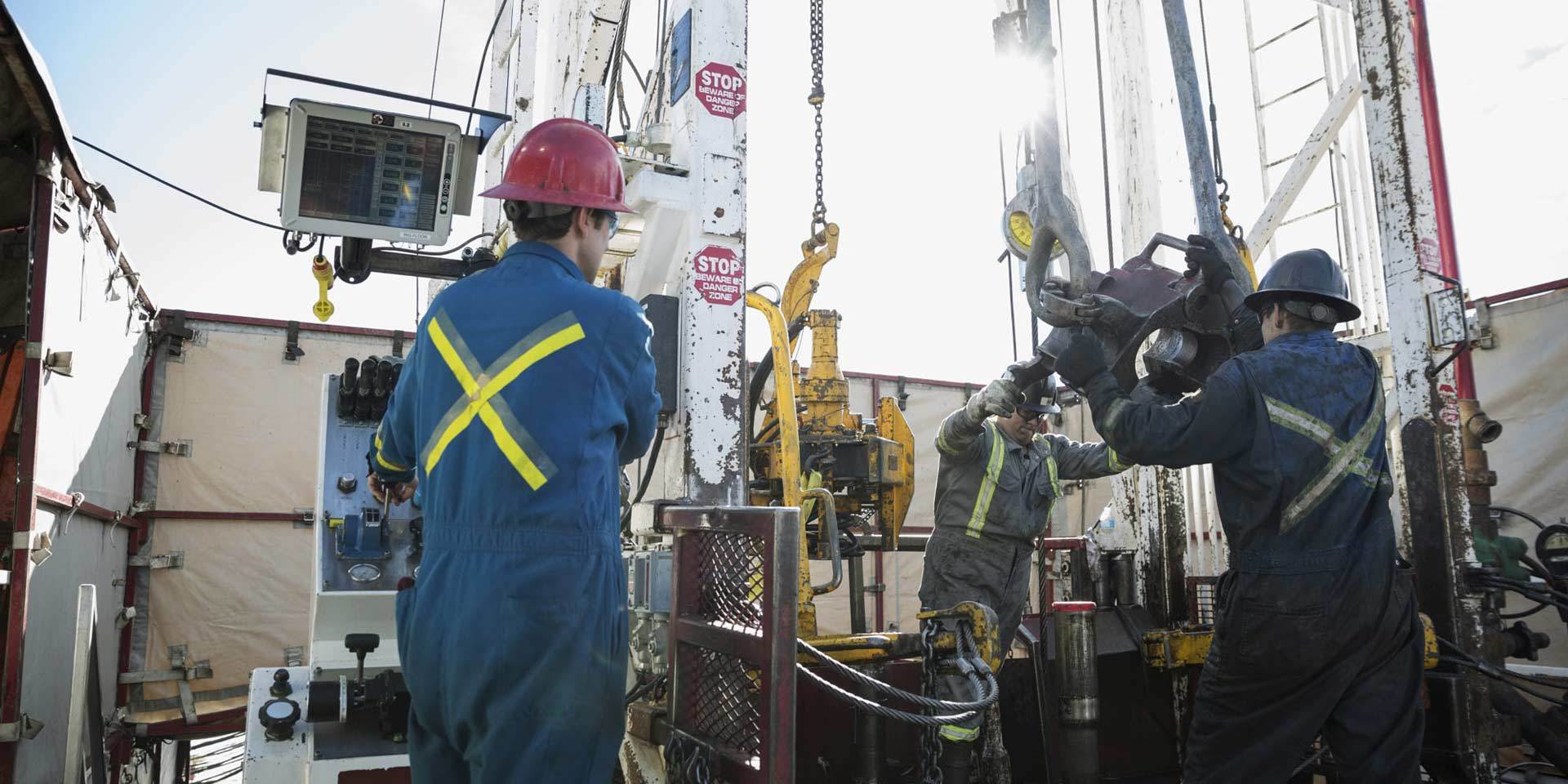
How Casing Scrapers Revolutionize Oil Machinery
Classification:
Release time:
2023/09/05
【Summary Description】 Discover the game-changing impact of casing scrapers on oil machinery. This comprehensive guide explores the role of casing scrapers in enhancing the efficiency and effectiveness of oil drilling opera
Table of Contents:
1. Introduction: Exploring the Role of Casing Scrapers in Oil Machinery
2. Understanding Casing Scrapers: Function and Design
3. The Benefits of Casing Scrapers in Oil Drilling Operations
4. Applications of Casing Scrapers in the Oil Industry
5. Frequently Asked Questions (FAQs) about Casing Scrapers
6. Conclusion: Embracing the Revolution of Casing Scrapers in Oil Machinery
In the dynamic world of oil drilling, innovation plays a crucial role in improving efficiency and productivity. One such innovation that has revolutionized oil machinery is the casing scraper. This article aims to shed light on the significance of casing scrapers and how they have transformed the oil industry.
Casing scrapers are specialized tools designed to clean the inside of well casings, ensuring optimal well performance. They are primarily used to remove scale, debris, cement, or any other unwanted substances that may hinder the flow of oil or gas. Casing scrapers typically consist of a central mandrel with scraping blades attached, enabling them to scrape the inner walls of the casing effectively.
There are several types of casing scrapers available, each designed for specific applications. These include mechanical, hydraulic, and motorized scrapers. Mechanical scrapers utilize mechanical force to scrape the casing walls, while hydraulic scrapers use hydraulic pressure to enhance scraping efficiency. Motorized scrapers, on the other hand, are powered by an external source, such as a motor, to provide increased scraping power.
Casing scrapers offer numerous benefits that contribute to the efficiency and effectiveness of oil drilling operations. Some key advantages include:
By removing debris and scale from the well casing, casing scrapers ensure a clean wellbore. This promotes better fluid flow, reduces the risk of blockages, and enhances overall well performance. Clean wellbores also minimize the chance of equipment failure, prolonging the lifespan of oil machinery.
Efficient removal of unwanted substances from the casing walls allows for increased production rates. Casing scrapers facilitate better contact between the wellbore and the reservoir, maximizing the extraction of oil or gas. This leads to higher production rates and improved profitability for oil drilling companies.
Casing scrapers help reduce costs associated with maintenance and repairs. By preventing blockages and equipment malfunctions, they minimize downtime and the need for costly interventions. Additionally, the improved production rates achieved through the use of casing scrapers lead to greater revenue generation, further offsetting operational expenses.
Casing scrapers find wide-ranging applications in the oil industry, contributing to the success of various drilling operations. Some common applications include:
During the well completion phase, casing scrapers are utilized to remove residual cement, dirt, or other debris left behind after casing installation. This ensures a clean wellbore, allowing for efficient well production.
When a well reaches the end of its productive life, casing scrapers play a vital role in the abandonment process. They help remove any remaining obstructions or contaminants, allowing for safe and effective well plug placement.
In well stimulation operations, casing scrapers are employed to clean the casing walls before the introduction of stimulation fluids. This ensures optimal fluid contact with the reservoir, enhancing the success of the stimulation process.
Casing scrapers are used to clean the inside of well casings, removing debris and unwanted substances that may hinder the flow of oil or gas. They improve wellbore cleanliness and enhance production rates.
There are mechanical, hydraulic, and motorized casing scrapers available. Mechanical scrapers use mechanical force, hydraulic scrapers utilize hydraulic pressure, and motorized scrapers are powered by an external source.
Casing scrapers prevent blockages and equipment malfunctions, reducing downtime and the need for costly repairs. They also improve production rates, leading to greater revenue generation.
Casing scrapers have emerged as game-changers in the oil industry, revolutionizing oil machinery and enhancing drilling operations. Their ability to improve wellbore cleanliness, enhance production rates, and contribute to cost savings make them indispensable tools in the field. By harnessing the power of casing scrapers, oil drilling companies can optimize their operations and achieve greater success in an ever-competitive industry.
1. Introduction: Exploring the Role of Casing Scrapers in Oil Machinery
2. Understanding Casing Scrapers: Function and Design
3. The Benefits of Casing Scrapers in Oil Drilling Operations
4. Applications of Casing Scrapers in the Oil Industry
5. Frequently Asked Questions (FAQs) about Casing Scrapers
6. Conclusion: Embracing the Revolution of Casing Scrapers in Oil Machinery
1. Introduction: Exploring the Role of Casing Scrapers in Oil Machinery
In the dynamic world of oil drilling, innovation plays a crucial role in improving efficiency and productivity. One such innovation that has revolutionized oil machinery is the casing scraper. This article aims to shed light on the significance of casing scrapers and how they have transformed the oil industry.
2. Understanding Casing Scrapers: Function and Design
Casing scrapers are specialized tools designed to clean the inside of well casings, ensuring optimal well performance. They are primarily used to remove scale, debris, cement, or any other unwanted substances that may hinder the flow of oil or gas. Casing scrapers typically consist of a central mandrel with scraping blades attached, enabling them to scrape the inner walls of the casing effectively.
2.1 Types of Casing Scrapers
There are several types of casing scrapers available, each designed for specific applications. These include mechanical, hydraulic, and motorized scrapers. Mechanical scrapers utilize mechanical force to scrape the casing walls, while hydraulic scrapers use hydraulic pressure to enhance scraping efficiency. Motorized scrapers, on the other hand, are powered by an external source, such as a motor, to provide increased scraping power.
3. The Benefits of Casing Scrapers in Oil Drilling Operations
Casing scrapers offer numerous benefits that contribute to the efficiency and effectiveness of oil drilling operations. Some key advantages include:
3.1 Improved Wellbore Cleanliness
By removing debris and scale from the well casing, casing scrapers ensure a clean wellbore. This promotes better fluid flow, reduces the risk of blockages, and enhances overall well performance. Clean wellbores also minimize the chance of equipment failure, prolonging the lifespan of oil machinery.
3.2 Enhanced Production Rates
Efficient removal of unwanted substances from the casing walls allows for increased production rates. Casing scrapers facilitate better contact between the wellbore and the reservoir, maximizing the extraction of oil or gas. This leads to higher production rates and improved profitability for oil drilling companies.
3.3 Cost Savings
Casing scrapers help reduce costs associated with maintenance and repairs. By preventing blockages and equipment malfunctions, they minimize downtime and the need for costly interventions. Additionally, the improved production rates achieved through the use of casing scrapers lead to greater revenue generation, further offsetting operational expenses.
4. Applications of Casing Scrapers in the Oil Industry
Casing scrapers find wide-ranging applications in the oil industry, contributing to the success of various drilling operations. Some common applications include:
4.1 Well Completion
During the well completion phase, casing scrapers are utilized to remove residual cement, dirt, or other debris left behind after casing installation. This ensures a clean wellbore, allowing for efficient well production.
4.2 Well Abandonment
When a well reaches the end of its productive life, casing scrapers play a vital role in the abandonment process. They help remove any remaining obstructions or contaminants, allowing for safe and effective well plug placement.
4.3 Well Stimulation
In well stimulation operations, casing scrapers are employed to clean the casing walls before the introduction of stimulation fluids. This ensures optimal fluid contact with the reservoir, enhancing the success of the stimulation process.
5. Frequently Asked Questions (FAQs) about Casing Scrapers
5.1 What is the purpose of casing scrapers in oil drilling?
Casing scrapers are used to clean the inside of well casings, removing debris and unwanted substances that may hinder the flow of oil or gas. They improve wellbore cleanliness and enhance production rates.
5.2 What are the different types of casing scrapers?
There are mechanical, hydraulic, and motorized casing scrapers available. Mechanical scrapers use mechanical force, hydraulic scrapers utilize hydraulic pressure, and motorized scrapers are powered by an external source.
5.3 How do casing scrapers contribute to cost savings?
Casing scrapers prevent blockages and equipment malfunctions, reducing downtime and the need for costly repairs. They also improve production rates, leading to greater revenue generation.
6. Conclusion: Embracing the Revolution of Casing Scrapers in Oil Machinery
Casing scrapers have emerged as game-changers in the oil industry, revolutionizing oil machinery and enhancing drilling operations. Their ability to improve wellbore cleanliness, enhance production rates, and contribute to cost savings make them indispensable tools in the field. By harnessing the power of casing scrapers, oil drilling companies can optimize their operations and achieve greater success in an ever-competitive industry.
Key words:
Related News